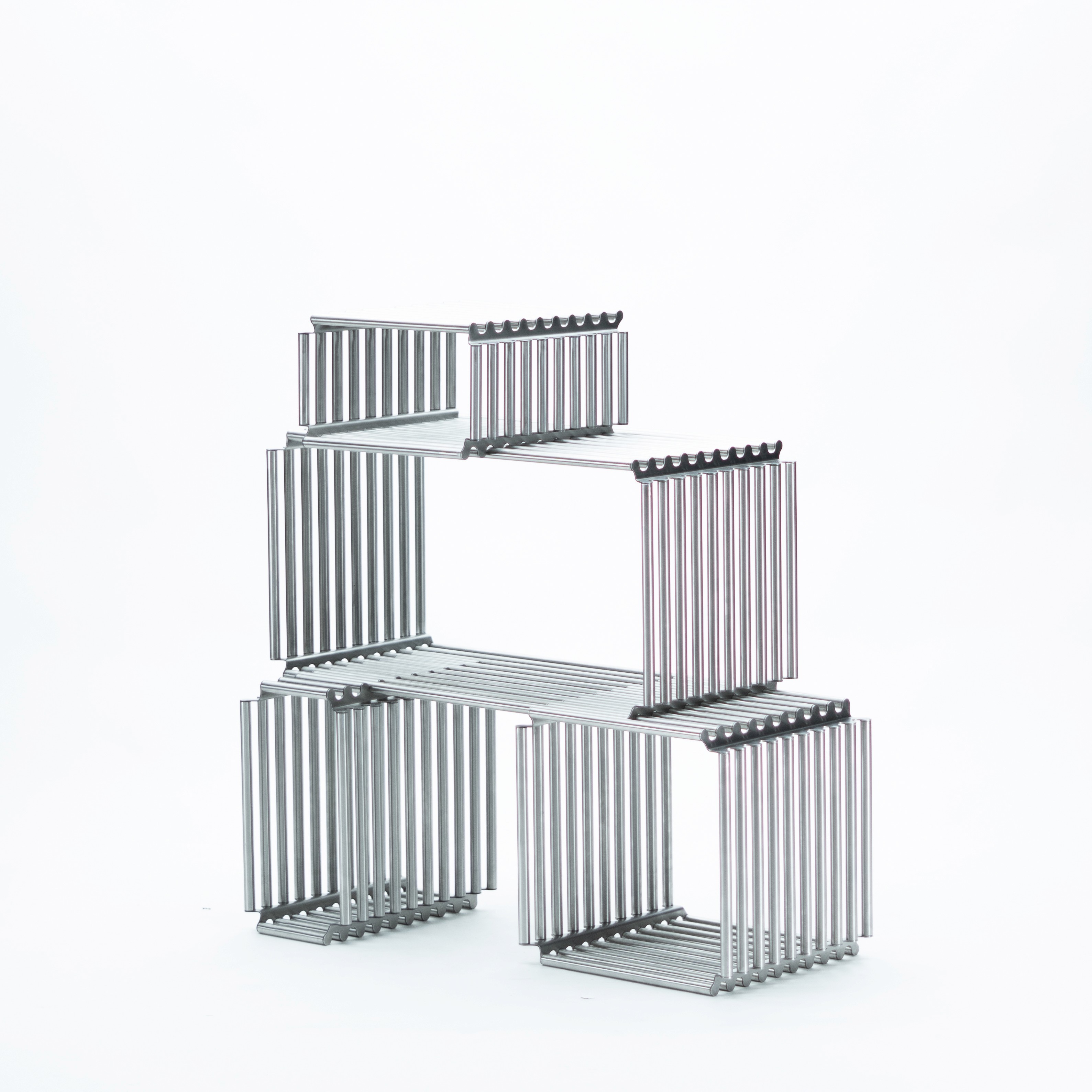
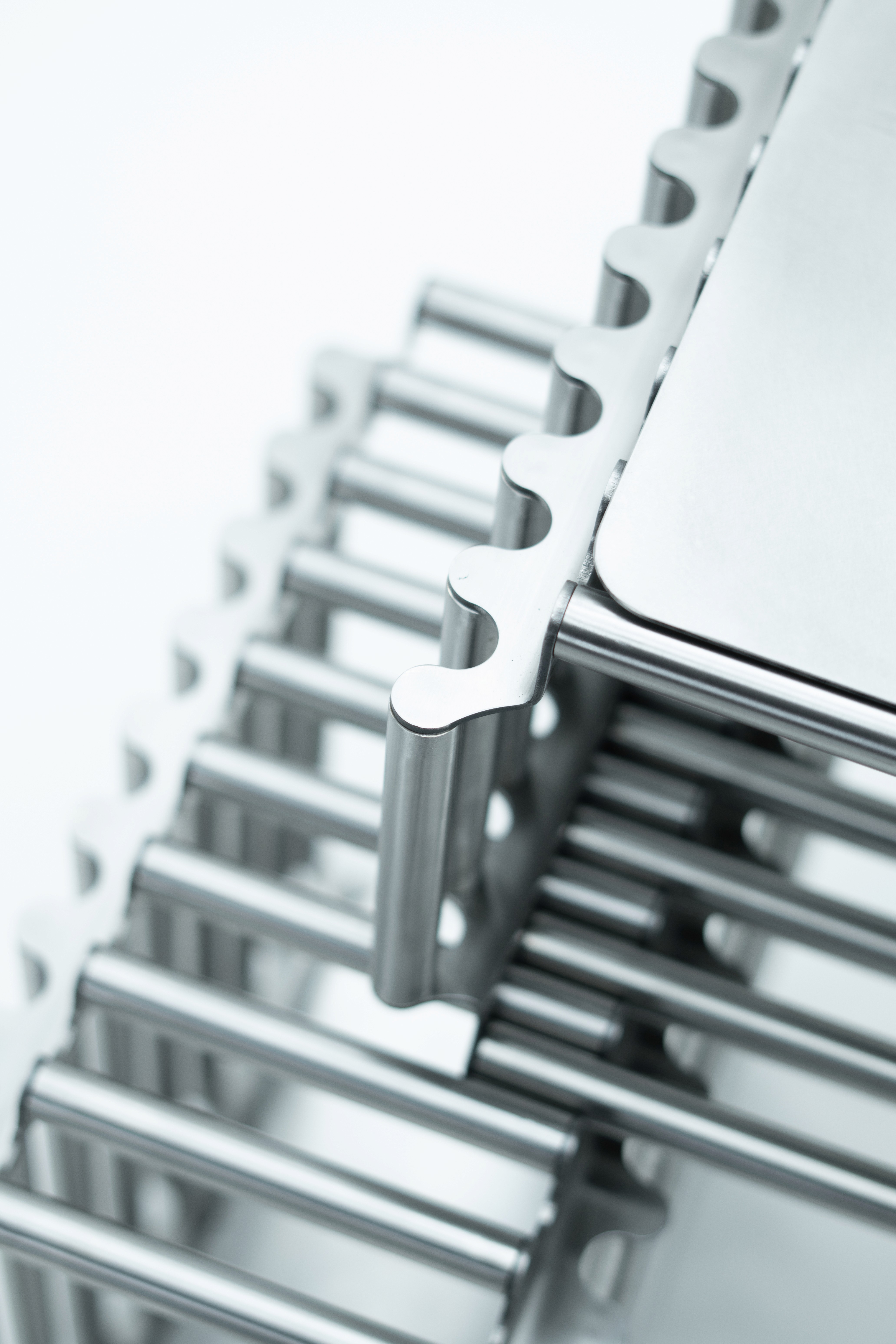
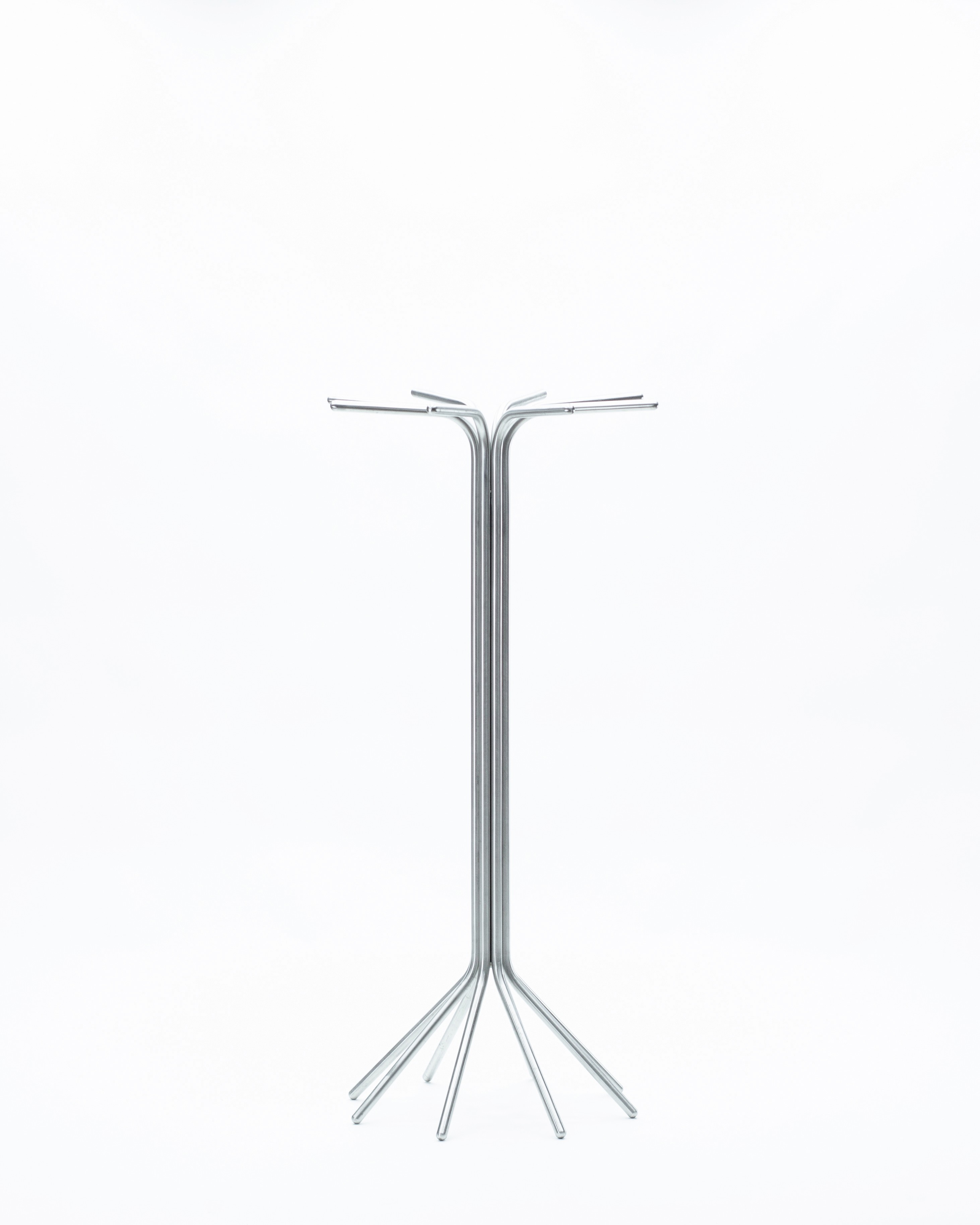
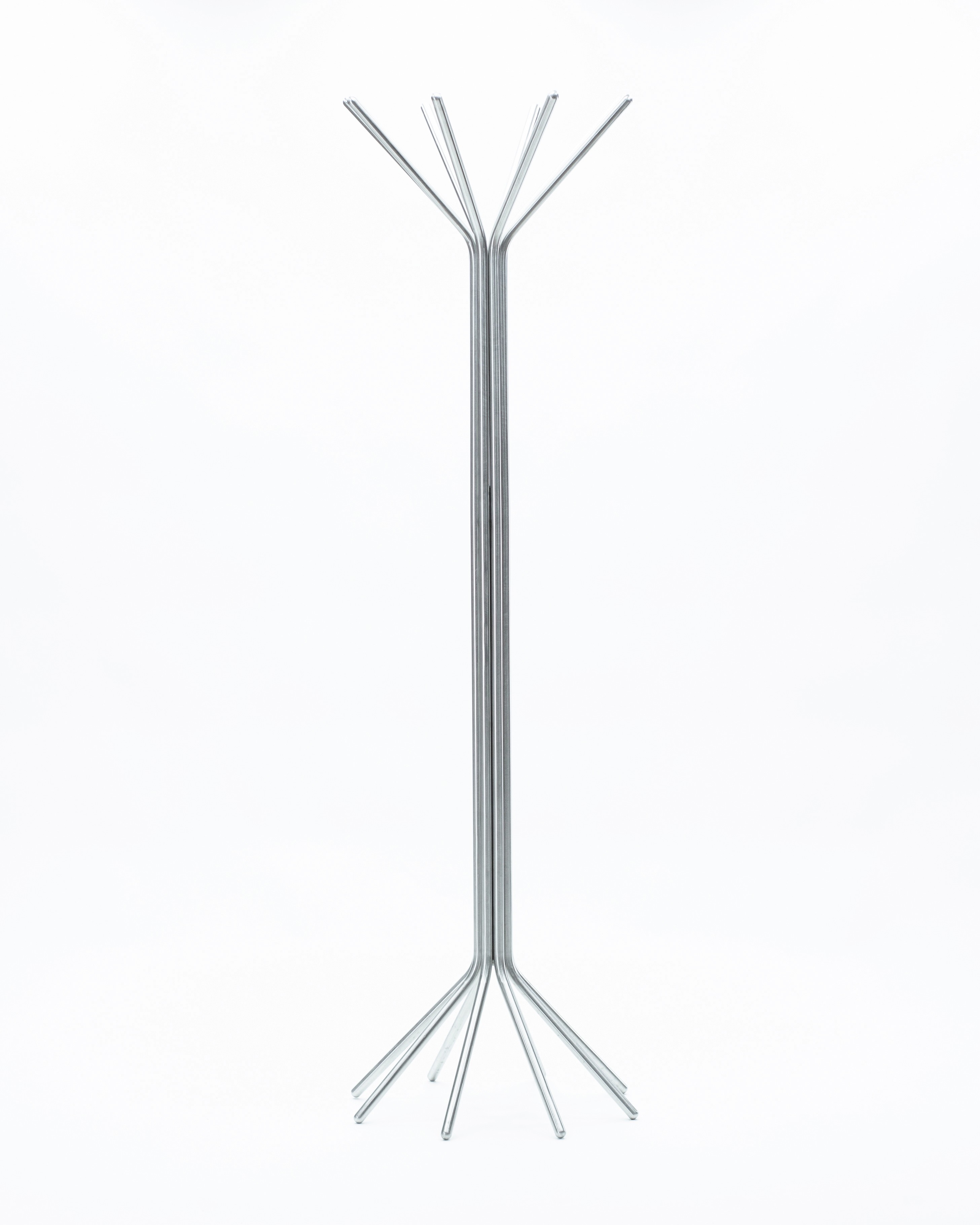
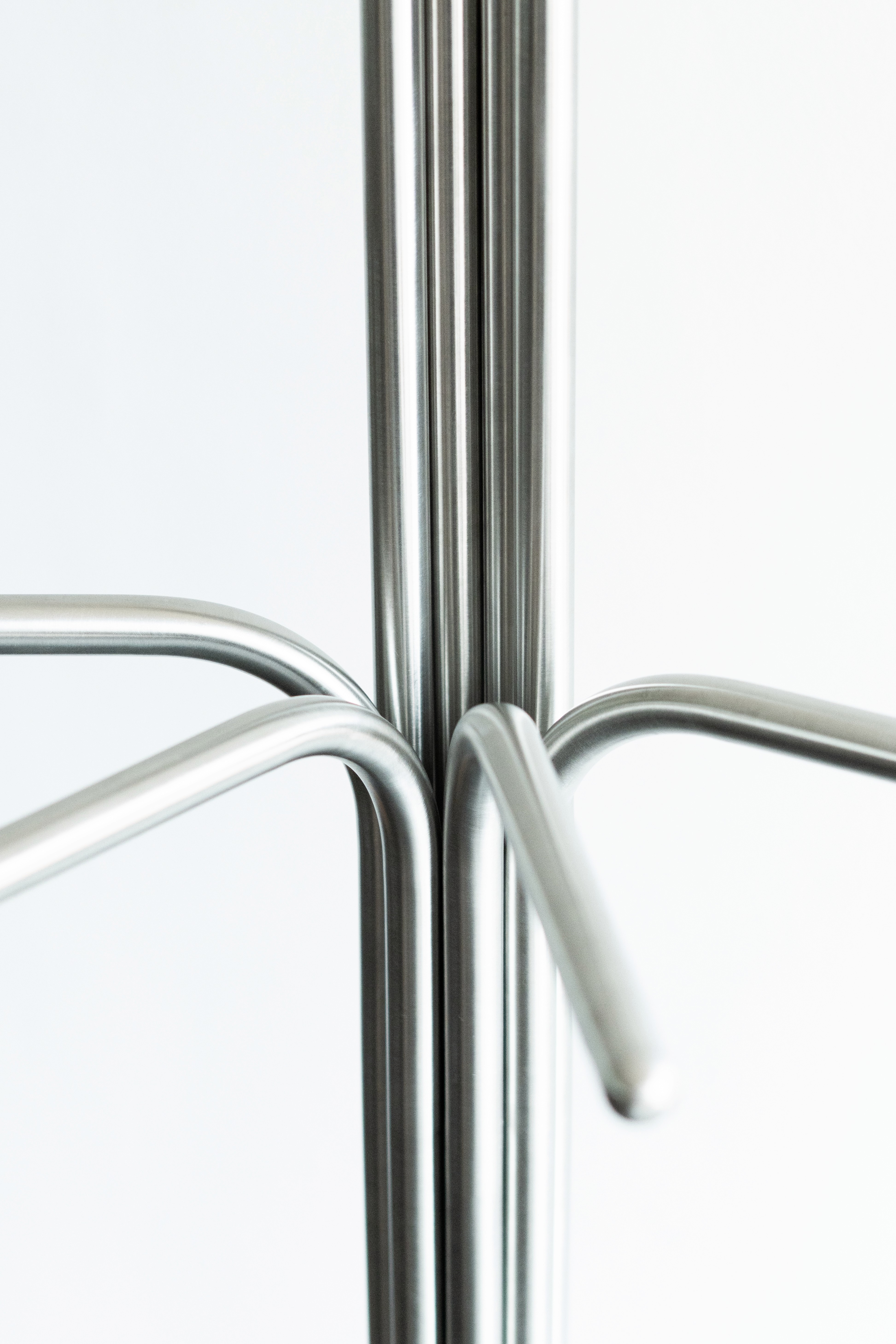
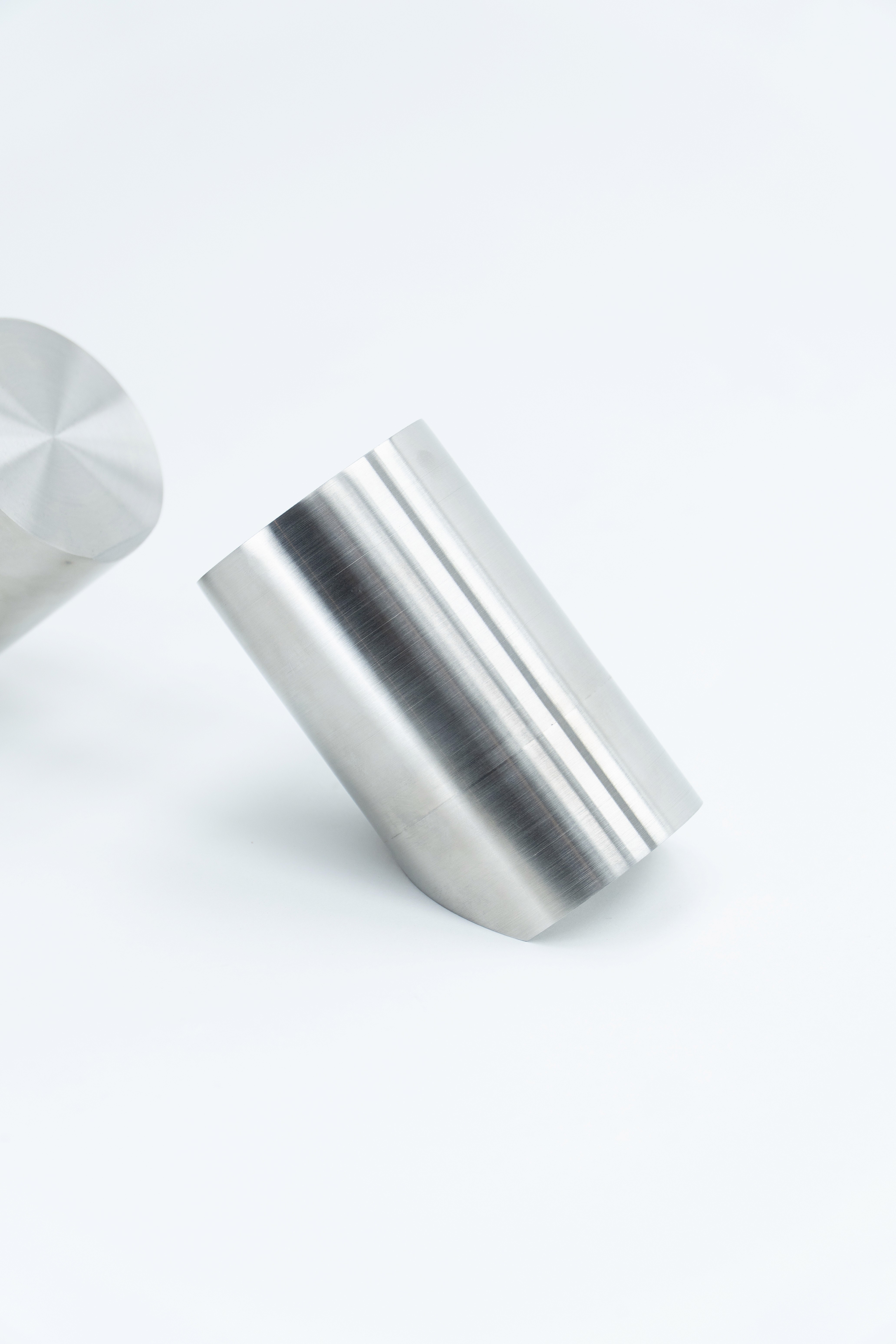
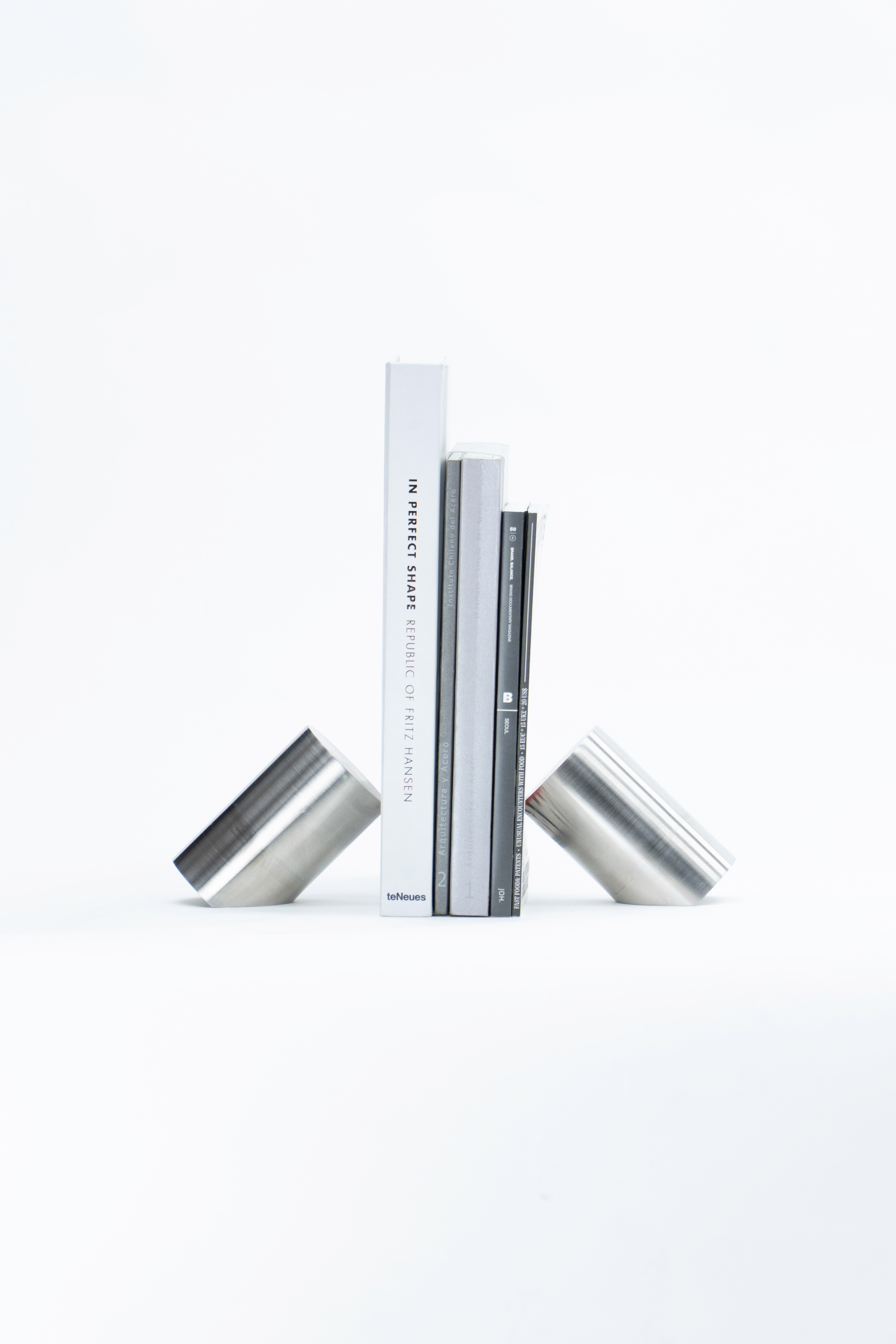
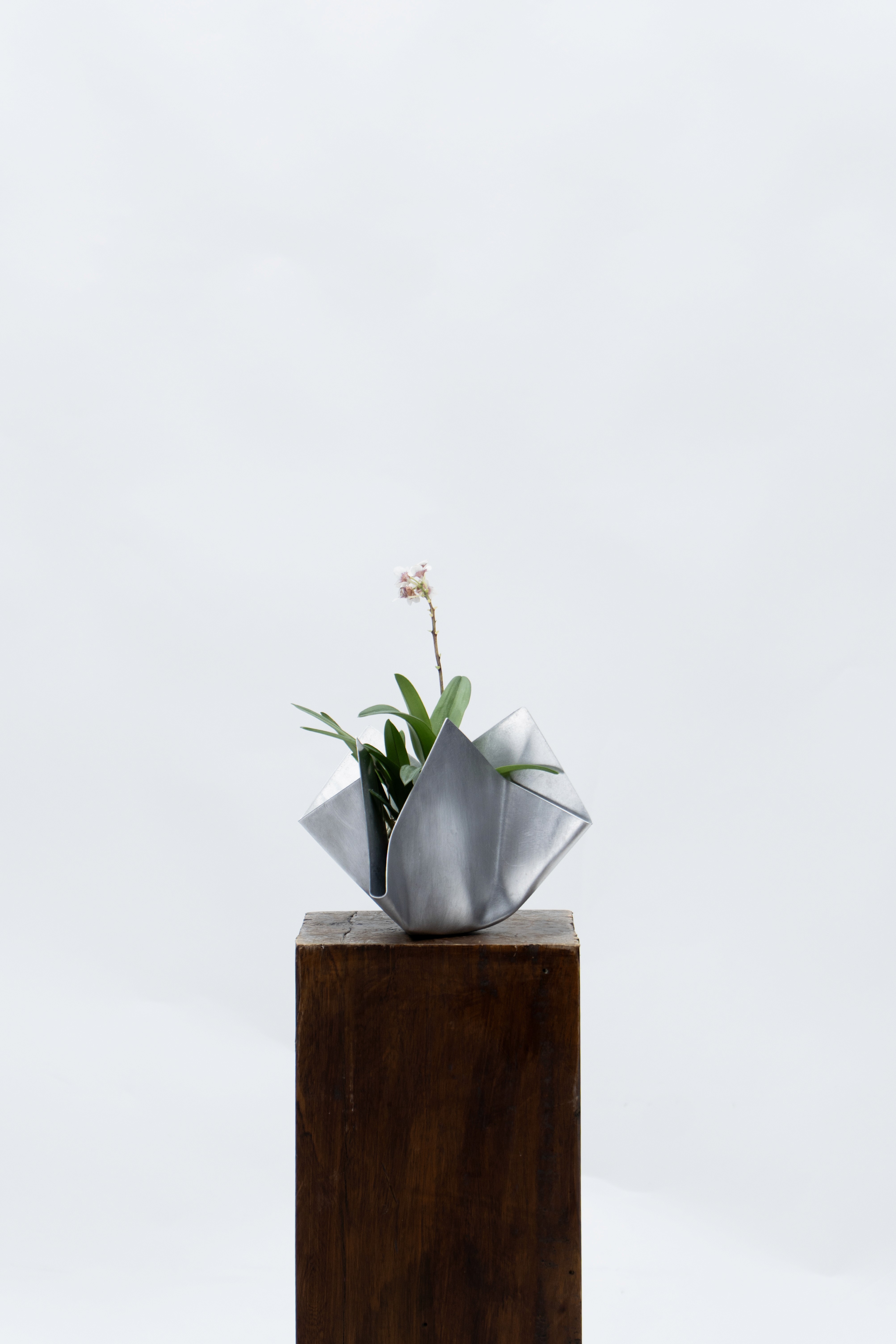
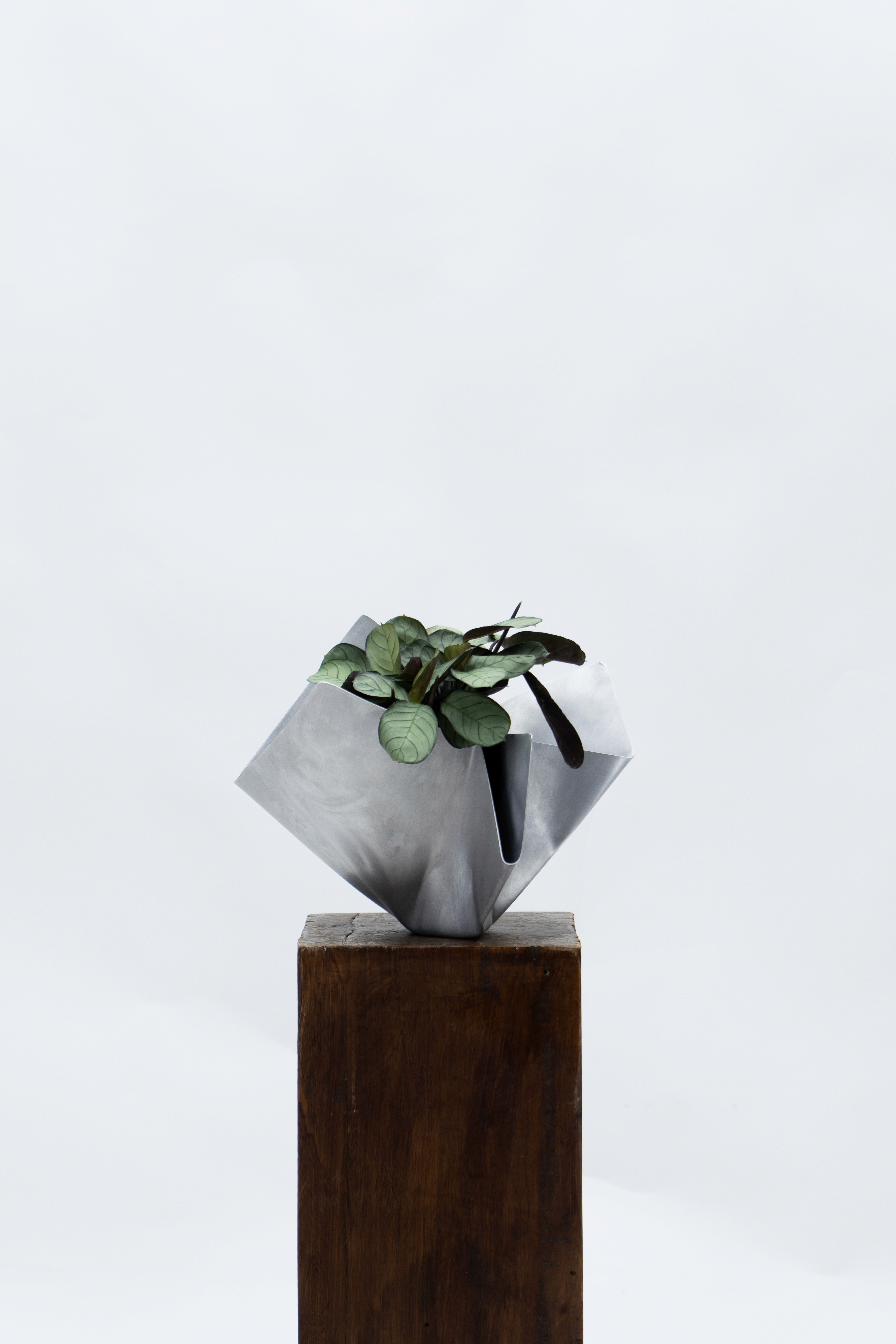
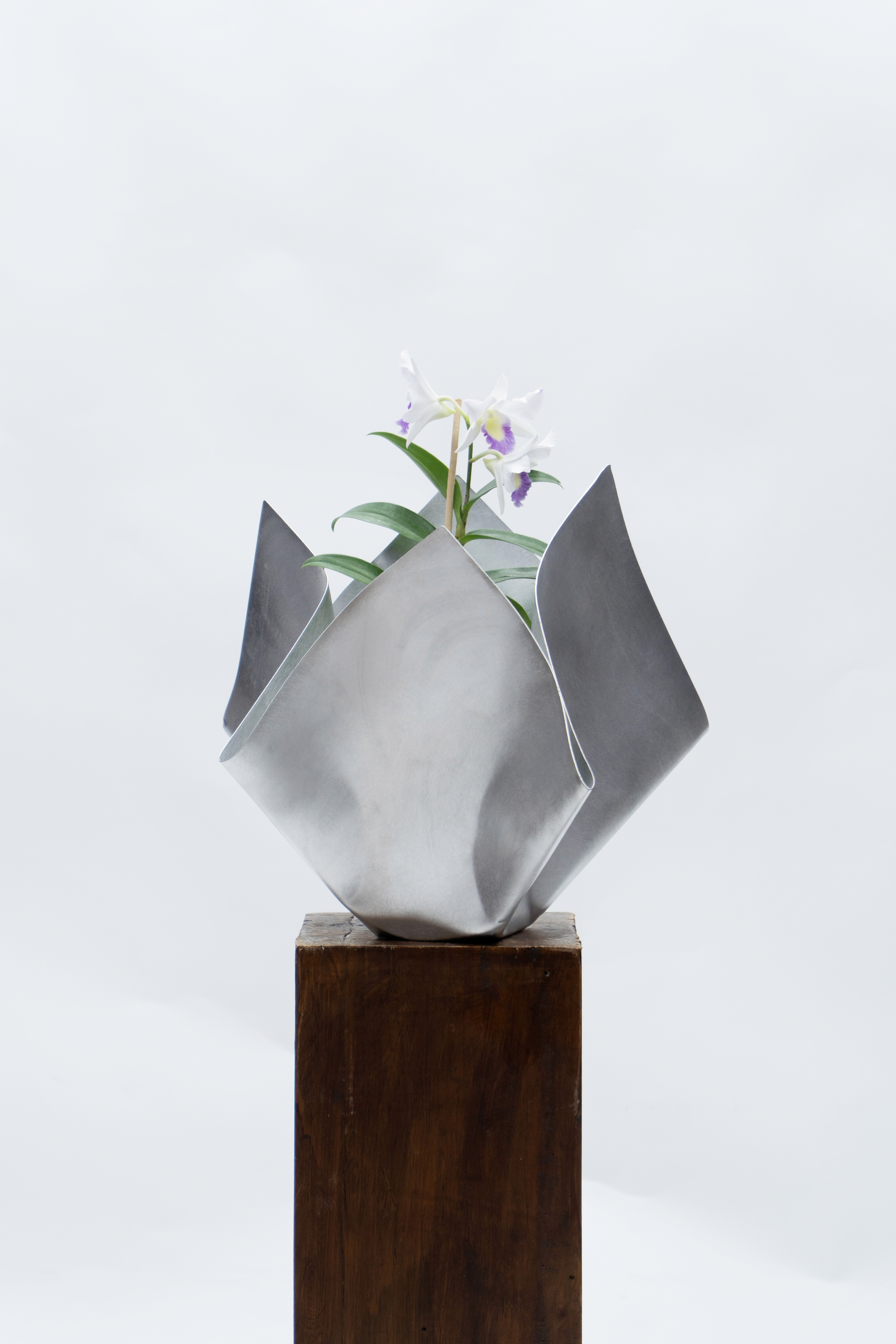
Sebastián Alarcón is a product designer based in Quito, Ecuador. His practice is rooted in steel, shaped through iterative prototyping where contemporary manufacturing meets the hand. He works with standard market profiles, sheets, and tubes, letting the logic of production and standard stock become its own language.
A technical sensibility runs through the work, inherited in part from his parents, a mother drawn to craft, a father trained in mechanics. From this comes a close attention to how materials behave, how assemblies resolve, and how a piece often finds its direction in the making itself, in moments the drawing did not anticipate. Modularity and assembly remain an ongoing line of research, the pieces conceived less as fixed compositions than as systems open to being reorganized and reinterpreted over time.
Quito offers a particular condition. Where industry never fully displaced the workshop, the manual trades remain present and within reach. To work here is to work shoulder to shoulder with a welder, a turner, a sheet metal operator, at a proximity the larger centers no longer allow. The practice moves between these registers, craft fluency and contemporary form, without either flattening the other.
In 2025 he launched ASET, a playground for exploration, with a focus in furniture and objects, producing limited and small-batch editions, produced with craftsmen and operators in Quito. The work has been shown in the Netherlands, Vienna, London, Barcelona, and Milan, and featured in relevant design platforms. Alongside the studio, he continues to deepen his engagement with the metal industry, learning structural systems and fabrication methods directly at the source.
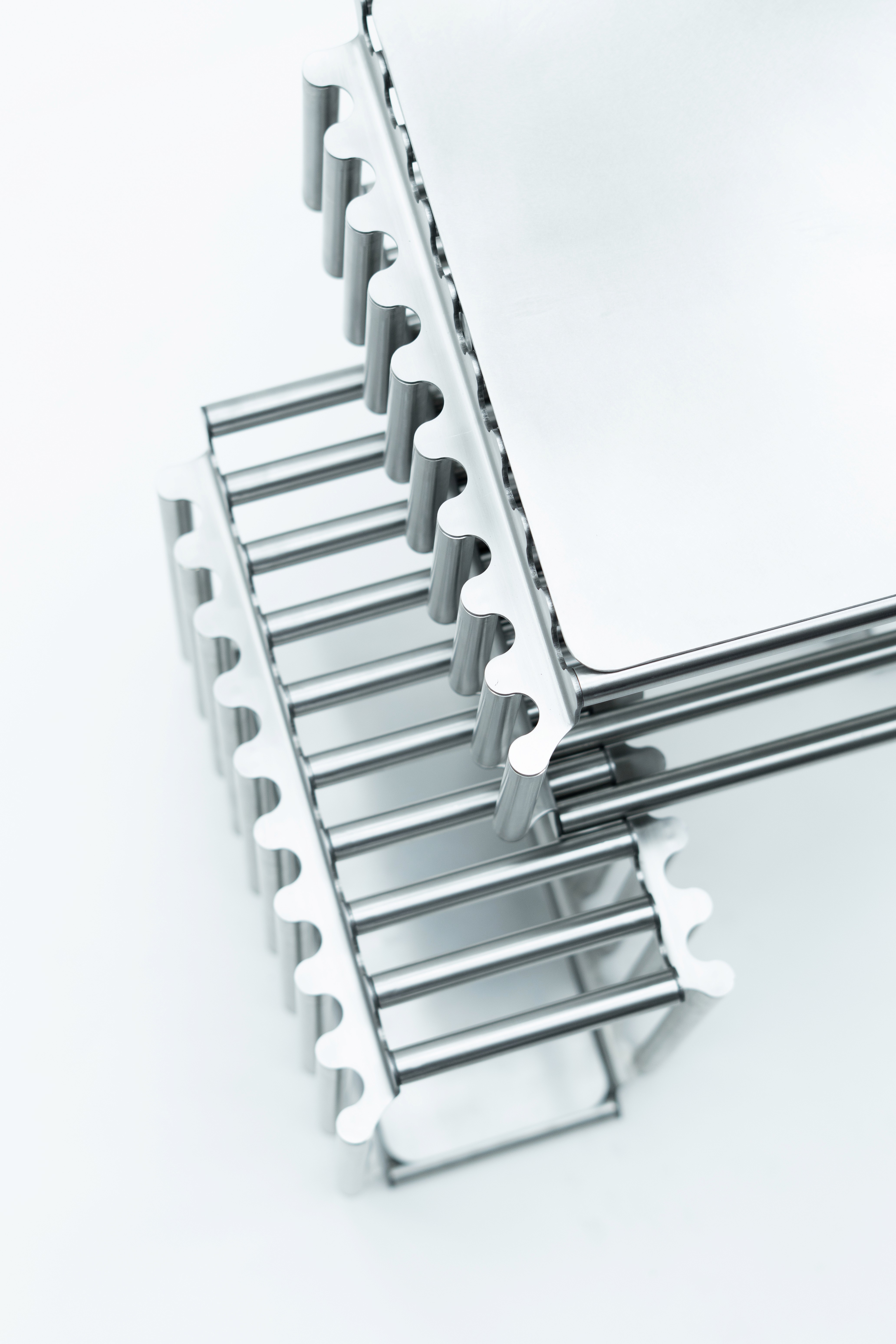
Sebastián Alarcón is a product designer based in Quito, Ecuador. His practice is rooted in steel, shaped through iterative prototyping where contemporary manufacturing meets the hand. He works with standard market profiles, sheets, and tubes, letting the logic of production and standard stock become its own language.
A technical sensibility runs through the work, inherited in part from his parents, a mother drawn to craft, a father trained in mechanics. From this comes a close attention to how materials behave, how assemblies resolve, and how a piece often finds its direction in the making itself, in moments the drawing did not anticipate. Modularity and assembly remain an ongoing line of research, the pieces conceived less as fixed compositions than as systems open to being reorganized and reinterpreted over time.
Quito offers a particular condition. Where industry never fully displaced the workshop, the manual trades remain present and within reach. To work here is to work shoulder to shoulder with a welder, a turner, a sheet metal operator, at a proximity the larger centers no longer allow. The practice moves between these registers, craft fluency and contemporary form, without either flattening the other.
In 2025 he launched ASET, a playground for exploration, with a focus in furniture and objects, producing limited and small-batch editions, produced with craftsmen and operators in Quito. The work has been shown in the Netherlands, Vienna, London, Barcelona, and Milan, and featured in relevant design platforms. Alongside the studio, he continues to deepen his engagement with the metal industry, learning structural systems and fabrication methods directly at the source.